
Why Your Phone May Be Safer Than Your Wallet
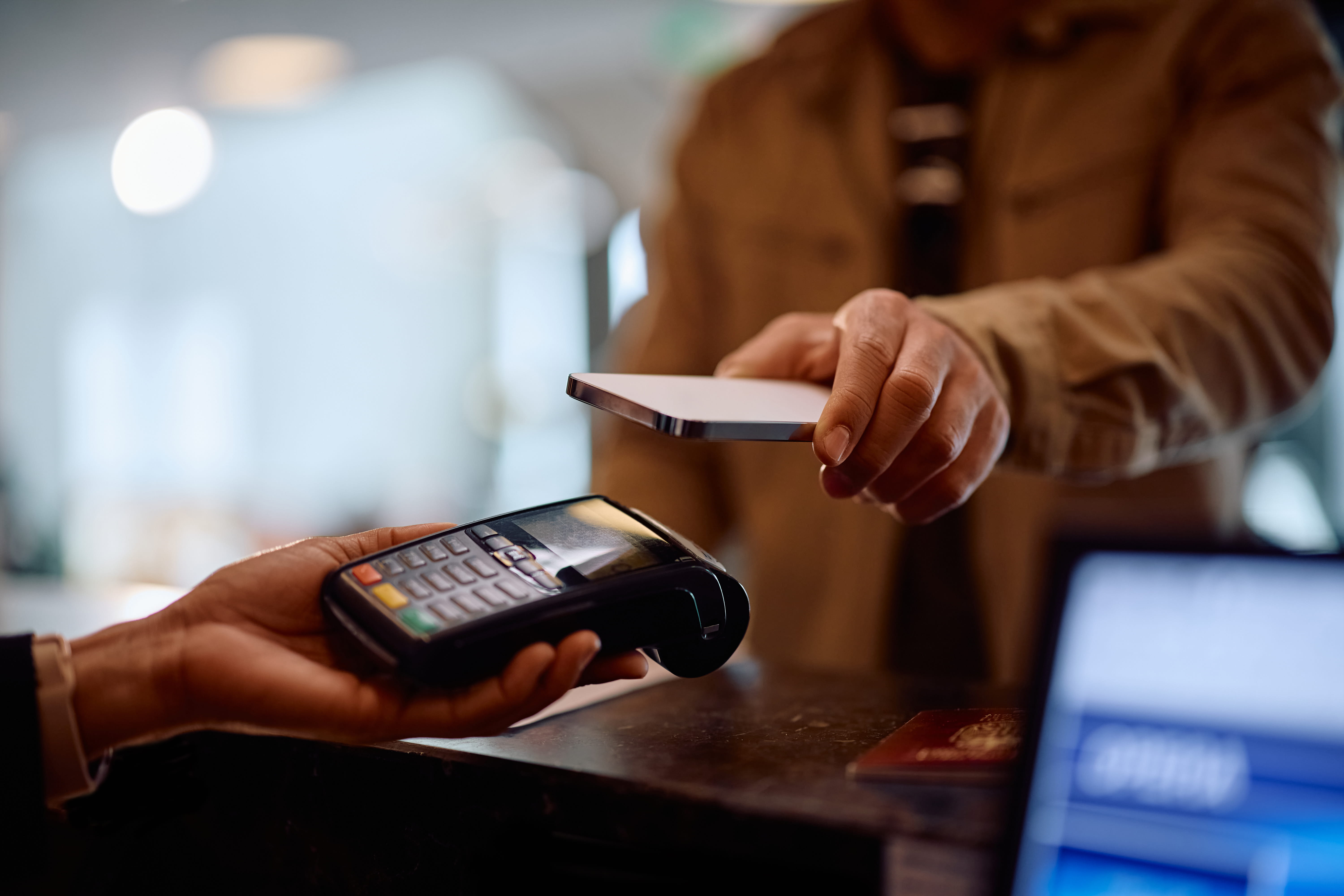
If you've ever watched someone tap their phone or smartwatch to pay for groceries, coffee, or gas, you may have wondered whether that's actually secure. The answer is yes. Here's how that protection works, what to watch for, and how to get the most out of it.
How Digital Wallets Protect Your Card Information
Your card number stays protected. When you swipe, insert, or tap a physical card, your actual card number is what processes the transaction. A digital wallet works differently, your card number itself is never shared with the merchant.
Instead, digital wallets rely on tokenization, device authentication, and platform security controls built into your phone:
- A device-specific token stands in for your card number.
- Additional security data helps validate each transaction.
- Even if a token were intercepted, it couldn't be used the way your physical card number could, and it wouldn't reveal your underlying account information.
That also cuts down common fraud risks. A skimming device can't capture a token the way it captures a magnetic stripe, and the merchant never receives your actual card number in the first place. Still, no payment method is completely immune to fraud. Device authentication, covered later in this article, is the other half of the picture in keeping your information safe.
And it doesn't cost you anything. Your day-to-day shopping doesn't change, and neither do your rewards. When you use the same card through a digital wallet, your purchase is generally subject to that card's existing rewards program and terms, merchant acceptance, card eligibility and issuer terms still apply.
Why Device Authentication Matters
Think about how easy it could be for someone to use a card that isn't theirs. A lost physical card may be usable until it's reported and blocked, while wallet card payments generally require device authentication (depending on your device) that might mean face recognition, fingerprint authentication, or your device passcode.
Because the payment is tied to both your device and its authentication, it's much harder for someone else to use your cards if your phone is lost or stolen.
How to Use a Digital Wallet More Safely
A digital wallet's built-in protections work best alongside a few habits of your own:
- Use a strong screen lock, passcode, fingerprint or face recognition.
- Keep your device and wallet app updated, since updates often include security fixes.
- Turn on transaction alerts so you notice unusual activity right away.
- Add cards only through the official wallet app or Service Credit Union's own setup flow, never through a link in an unexpected text or email.
- Report a lost phone, lost card, or suspicious transaction promptly.
For more on protecting your cards day to day, see our card and ATM security tips.
How to Add Your Service Credit Union Card
Most smartphones already include a wallet app: Apple Pay in Apple Wallet for iPhone and Apple Watch, Google Wallet for many Android devices, and Samsung Wallet for compatible Samsung devices. Setup steps vary slightly by provider and device, but each generally asks you to open the wallet app, add your eligible debit or credit card, and verify your information before you're ready to pay wherever contactless payments are accepted.
Frequently Asked Questions
What is a digital wallet?
A digital wallet is an app that stores your eligible debit or credit cards on a phone, tablet, or smartwatch. When your card, device, and the merchant all support it, you can use it to pay in stores, in apps, and online.
Are digital wallets safer than physical cards?
Digital wallets can add protections when you pay with an eligible card on a secured device, typically a device-specific payment token and device authentication for card payments. They don't eliminate fraud, though, so it still helps to use a screen lock, keep your device updated, and report a lost device or suspicious activity right away.
Does a digital wallet share my card number with a merchant?
No, for supported tokenized wallet payments, the merchant receives a device-specific payment credential instead of your physical card number. Exact payment flows can vary by wallet provider, issuer, card, device, and transaction type.
Can I add a Service Credit Union debit or credit card to a digital wallet?
Yes, you can add an eligible Service Credit Union debit or credit card to a supported digital wallet. Card, device, and wallet-provider eligibility can change, so check the current setup instructions on our Digital Wallet page before you begin.